whole grains
US
・UK
C2
n. pl.Noun (plural)Grains that contain the entire grain kernel—the bran, germ, and endosperm.
Eating whole grains is good for your health.
Video subtitles
What The Heck Is Gluten?
- is of no concern, the vitamins and whole grains that it's often combined with are quite important.
is of no concern, the vitamins and whole grains that it's often combined with are quite important.
- is of no concern, the vitamins and whole grains that it's often combined with are quite important.
is of no concern, the vitamins and whole grains that it's often combined with are quite important.
5 Foods That Naturally Decrease Cortisol, the Stress Hormone
- they found that people on a traditional american diet of high fat, sugar and carbs had much higher cortisol levels than people who are eating more fruits, vegetables, whole grains and polyunsaturated fats.
they found that people on a traditional american diet of high fat, sugar and carbs had much higher cortisol levels than people who are eating more fruits, vegetables, whole grains and polyunsaturated fats.
The Biggest Lie About Veganism

- You can get tons of protein from whole grains, nuts, and beans, and for most people, this is more than enough.
You can get tons of protein from whole grains, nuts, and beans, and for most people, this is more than enough.
- You can get tons of protein from whole grains, nuts, and beans.
You can get tons of protein from whole grains, nuts, and beans.
Genetically Modified Organisms: The Pros and Cons of GMO Foods -- Kathleen Zelman -- UHC TV

- wouldn't have whole grains without it either. So I don't think there's reason to be concerned,
wouldn't have whole grains without it either. So I don't think there's reason to be concerned,
- We wouldn't have whole grains without it either.
We wouldn't have whole grains without it either.
The SIMPLE Way To Make Your Body KILL BELLY FAT! | Dr Jason Fung

- Well, mostly unprocessed foods. So things like beans. And if you're having, if you're eating whole grains, for example, compared to others, then it's going to have a reduction in the speed of absorption. So it's, again, not about the calories necessarily or even necessarily about the carbohydrates because you're still eating the same amount of carbohydrate, but you're slowing down the speed at which is absorbed, which is going to change the instructions that you give your body. If you have a massive spike in glucose, you get this massive dopamine surge, right? And your body's like, you'll love it. Then the next time you're like, okay, give me that refined carbohydrate. What about protein? Because we, we tend to think of protein as something that, you know, is super great for weight loss. Yeah. Protein is probably a sort of inter, it's not bad. I mean, the main thing is cutting down the carbohydrates, but, you know, in the obesity code, I really talk about cutting the processing down because proteins usually don't come as pure protein, right? In nature, you never find like, you know, how you have like whey powder protein or whatever you get. The only way you can do that is by processing the heck out of food to get some kind of pure protein. It doesn't exist in nature. Like it almost doesn't exist. And maybe there's a few examples, but when you eat meat, you think, okay, there's a lot of protein, but that's actually a lot of fat in there too, right? If you eat anything else that has protein, it's rarely all protein, you know, very lean meats like chicken breast and stuff are going to be higher in protein, but there's still a lot of other stuff in there. And it's very rare that somebody will eat just all pure a hundred percent protein. It tends to be hard to eat. Like the fat brings a lot of flavor and so on. So it's a bit of an unnatural way to eat. Sure. If you, if you're to eat a lot of protein, it does spike insulin. So it does have some effect to gain weight, but it's actually a very inefficient macronutrient. That is your, there's three macronutrients.
Well, mostly unprocessed foods. So things like beans. And if you're having, if you're eating whole grains, for example, compared to others, then it's going to have a reduction in the speed of absorption. So it's, again, not about the calories necessarily or even necessarily about the carbohydrates because you're still eating the same amount of carbohydrate, but you're slowing down the speed at which is absorbed, which is going to change the instructions that you give your body. If you have a massive spike in glucose, you get this massive dopamine surge, right? And your body's like, you'll love it. Then the next time you're like, okay, give me that refined carbohydrate. What about protein? Because we, we tend to think of protein as something that, you know, is super great for weight loss. Yeah. Protein is probably a sort of inter, it's not bad. I mean, the main thing is cutting down the carbohydrates, but, you know, in the obesity code, I really talk about cutting the processing down because proteins usually don't come as pure protein, right? In nature, you never find like, you know, how you have like whey powder protein or whatever you get. The only way you can do that is by processing the heck out of food to get some kind of pure protein. It doesn't exist in nature. Like it almost doesn't exist. And maybe there's a few examples, but when you eat meat, you think, okay, there's a lot of protein, but that's actually a lot of fat in there too, right? If you eat anything else that has protein, it's rarely all protein, you know, very lean meats like chicken breast and stuff are going to be higher in protein, but there's still a lot of other stuff in there. And it's very rare that somebody will eat just all pure a hundred percent protein. It tends to be hard to eat. Like the fat brings a lot of flavor and so on. So it's a bit of an unnatural way to eat. Sure. If you, if you're to eat a lot of protein, it does spike insulin. So it does have some effect to gain weight, but it's actually a very inefficient macronutrient. That is your, there's three macronutrients.
- And if you're eating whole grains, for example, compared to others, then it's going to have a reduction in the speed of absorption.
And if you're eating whole grains, for example, compared to others, then it's going to have a reduction in the speed of absorption.
Animal Products NOT Essential for Brain Health
- It's also in whole grains, legumes, soy, nuts—basically the staples of a vegan diet.
It's also in whole grains, legumes, soy, nuts—basically the staples of a vegan diet.
- It's also in whole grains, legumes, soy, basically
It's also in whole grains, legumes, soy, basically
Healthy Aging with Nutrition
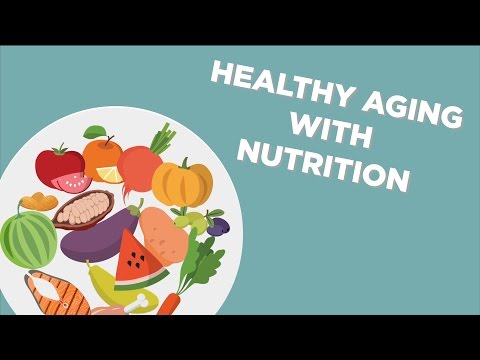
- whole grains such as those recommended in the US Dietary Guidelines.
whole grains such as those recommended in the US Dietary Guidelines.
- fruits and vegetables, lean proteins, and whole grains--such as those recommended in
fruits and vegetables, lean proteins, and whole grains--such as those recommended in
Something Great Happens When You Freeze Your BREAD! Dr. Mandell
- And your healthiest breads are sprouted whole grains, sourdough, 100% whole wheat, oat bread, flax bread, 100% sprouted rye bread.
And your healthiest breads are sprouted whole grains, sourdough, 100% whole wheat, oat bread, flax bread, 100% sprouted rye bread.
This Is What Happens When You Eat Too Much Protein (Science Explained)
- By redistributing your calories to include more colorful vegetables, whole grains, and
By redistributing your calories to include more colorful vegetables, whole grains, and
- By redistributing your calories to include more colorful vegetables, whole grains and healthy fats, you give your metabolism the variety it craves.
By redistributing your calories to include more colorful vegetables, whole grains and healthy fats, you give your metabolism the variety it craves.
6 Healthy Drinks That Make You Poop Immediately
- Foods such as fruits, vegetables, whole grains, and legumes can help improve bowel movements.
Foods such as fruits, vegetables, whole grains, and legumes can help improve bowel movements.
- Foods such as fruits, vegetables, whole grains, and legumes can help improve bowel movements.
Foods such as fruits, vegetables, whole grains, and legumes can help improve bowel movements.